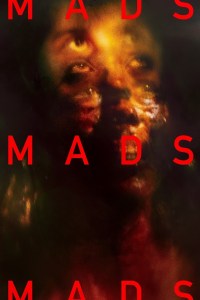
MadS is intense, claustrophobic, un-nerving, gory and absolutely fucking brilliant.
The camera work in this film is insane – how anyone can make a film in one shot, amazes me. Yet alone one like this, with vehicles, practical sfx and a whole bunch of stuff I can’t get my head around. I am desperate for a directors commentary and special features on a shiny physical release.
The actors are incredible and to keep up that intensity of performance for an hour and 20 minutes, must have been utterly exhausting. I was gripped, invested and a little bit tired!
French horror films love to make us feel claustrophobic and tense and MadS has very similar vibes to Climax and the party/club scenes in Irreversible (both Gaspar Noé). It even had some parallels to Martyrs, which I loved. MadS made me feel that horrible sense of panic I get in a party, a loud,busy venue or a place I just don’t want to be. Fuck, French cinema is good.
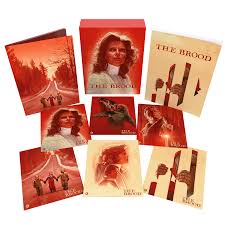
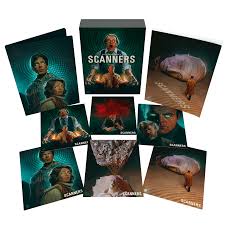
I’m a sucker for a physical release, especially when they come in beautiful packaging and have a stack of special features. Second Sight have been producing the most incredible big box releases with new artwork, art cards, essay books and brand new extras. I’ve only managed to snag a few of the limited edition editions, as they sell out pretty quick, so if you’re a Cronenberg fan grab these! They’re out today, Monday 31st March, from the Second Sight website. Both movies are also available as standard edition bluray and 4K UHD disks – they don’t come with the book or art cards, but still have all the brilliant special features.
Of the Cronenberg movies I’ve seen, these aren’t my favourites. But, as with any good physical release, I appreciate so much more about them after watching through all of the special features. I always love well-curated extras and Second Sight may be the best distributor putting out releases at the moment. I’ll often upgrade my blurays to get new, or extra special features, because I just want to know as much as I can about what went into making each and every movie. Because special features make my heart sing, I thought I’d review the extras on these discs in case you love them as much as I do.
A huge thanks to Second Sight and Aim Publicity for sending me some review discs!
A worried father attempts to uncover a controversial psychologist’s unconventional therapy techniques on his institutionalised wife, amidst a series of horrific murders that seem to be targeting those closest to him.
Special Features
A new 4K restoration approved by Director David Cronenberg
(UHD discs only) Dual format edition including both UHD and Blu-ray with main feature and bonus features on both discs
(UHD discs only) UHD presented in HDR with Dolby Vision
Limited edition features
Rigid slipcase with new artwork by Krishna Shenoi
120-page book with new essays by Jenn Adams, William Beard, Craig Ian Mann, Carolyn Mauricette, Shelagh Rowan-Legg, Amber T, Alexandra West and Scott Wilson
6 collectors’ art cards
New audio commentary by Martyn Conterio and Kat Ellinger and audio commentary by William Beard – I picked the audio commentary with Martyn and Kat, as it’s new for this release. I love conversational commentary tracks like this, as it’s like listening to a really cool podcast. Kat and Martyn had some really insightful conversations, discussing the psychology of the movie. I love hearing smart people talk about films!
Meet the Carveths: an interview with Actors Art Hindle & Cindy Hinds by Fangoria Editor Chris Alexander – This was such a lovely segment, Cindy and Art still have such a great rapport. The first part of the interview took place in a cinema screen, where they had bags of popcorn. Cindy sat politely, just holding the bag, whereas Art munched on popcorn and rustled throughout. I love him!
A lot of the features talked about working with Oliver Reed (which is to be expected!), who was infamous for drinking while working. I enjoyed hearing his exploits and they shared a story of how Reed was arrested and needed to be bailed out, during production. He also took a bottle of cognac that was gifted to Cindy’s mum and drank it on set. He was a talented actor, but he sounded like a nightmare to work with! Cindy and Art also visited some of the filming locations and talked about working with the children and Broodlings and how they all ate the fake blood, because it was so tasty.
Producing the Brood: an interview with Executive Producer Pierre David – “The biggest craziness of The Brood was around Oliver Reed – I had no idea what I was getting into”. Pierre shared his experience of the story Art shared, about Reed getting arrested. The night after being bailed out, he threw all of his pillows and blankets out the hotel window. Despite all the stories I’ve heard about Oliver Reed, Pierre said he was never hungover, was always on time and very funny and nice. It was interesting to hear a different side of working with Reed.
The Look of Rage: an interview with Cinematographer Mark Irwin (13 minutes) – I enjoyed hearing Mark talk about filming the birth scene. He said they had t-shirts made that said more “blood, more blood” because that was what Cronenberg would say. (I want a shirt like that, too!) The fake blood solidified on Samantha Eggar and she became a “candy apple”. It took an hour of trying to dissolve the fake blood with warm water, to free her. Irwin also shared his memories of working with Reed and said he would come back from lunch drunk. The child actors would be scared of him and he always smelled of scotch. How he ever gave such strong, memorable performances is beyond me!
Scoring the Brood: an interview with Composer Howard Shore (8 minutes) – Howard Shore shared lots of interesting stories between this feature and its counterpart on the Scanners release. Shore is one of the composers I forget how prolific they are. I love when directors and creatives work together over many decades, so it was great to hear how Shore and Cronenberg met. They’d grown up in the same neighbourhood and Cronenberg was the cool kid on a motorbike. Before they worked together, Shore would go to see his 16mm and 18mm films at underground film festivals in Toronto.
Character for Cronenberg: an interview with Actor Robert A Silverman (10 minutes) – Robert A Silverman isn’t a name or face I recognise but had a prolific acting career and appeared in many of David Cronenberg’s movies. Silverman was hit by a car at 31 – he was left unable to walk or talk and was severely brain damaged. After 3 years of exercises and sheer determination, he had a vision of what he wanted to do with his life and went to California. To then go on and earn 23 acting credits, is amazing!
Cronenberg – The Early Years: an archival interview with David Cronenberg (13 minutes) – I loved hearing Cronenberg talk about his experience with film making. I didn’t know he had met some soft porn directors who asked could he make a movie for them. He filmed a few auditions, before sharing the Shivers screenplay with them. He talked about his experience making Shivers, which I’ve given myself a nudge to watch as I still haven’t seen it!
Anger Management: Cronenberg’s Brood and the Shapes of Cinematic Rage – a video essay by Leigh Singer (22 minutes) – Another lovely example of listening to clever people talk about film. I really love video essays like these, as they always include lots of things I’ve never considered. Leigh Singer said that Cronenberg’s movies discuss the evolution of the flesh vs annihilation of the flesh. I definitely need to watch more of his films, with this in mind. I really didn’t expect so much discussion of The Hulk in this essay, but it tracks as the big, green guy would probably be the first character people would think of as a depiction of rage on screen. De Palma’s Carrie was another movie discussed, which I think is one of the best “good for her” films. I always want to see female rage on the big screen!
A scientist recruits a drifter with extraordinary telepathic ability to hunt down an equally powerful ’scanner’ who, together with others of their kind, is hellbent on taking over the world.
Special features
New 4K restoration approved by Director David Cronenberg
(UHD discs only) Dual format edition including both UHD and Blu-ray with main feature and bonus features on both discs
(UHD discs only) UHD presented in HDR with Dolby Vision
Limited edition features
Rigid slipcase with new artwork by Krishna Shenoi
120-page book with new essays by Dr Xavier Aldana Reyes, Eugenio Ercolani and Gian Giacomo Petrone, Kurt Halfyard, Craig Ian Mann, Francesco Massaccesi, Jessica Scott, Emma Westwood and Heather Wixson
6 collectors’ art cards
New audio commentary by Caelum Vatnsdal and audio commentary by William Beard – I chose the commentary by Caelum, as the newer of the two tracks. I usually prefer a more production-focused commentary, to find out how everything was done, but again it was fascinating to hear about the wider impact of the film. Caelum is an author and clearly very knowledgeable about film. I enjoyed hearing about Cronenberg and the cast’s careers and thought it was a nice touch to highlight lots of their successes outside of Scanners. I didn’t know that Chris Walas had also worked on Gremlins – some of the art in the gallery was very Gremlins-esque!
My Art Keeps Me Sane: an interview with Actor Stephen Lack (24 minutes) – Lack seems like an interesting, charismatic chap but I did get a little put off when he used the phrase “as tired as a hooker in the back of a Chevy with a football team”. Eesh. But it was interesting to hear about his experiences with anxiety and channelling it into his art.
Method in his Madness: an interview with Actor Michael Ironside (30 minutes) – Ironside was great to listen to, especially his story about how he burned and scarred his eyes during the fire scenes because of the sclera lenses. Nightmare fuel. As well as the white sclera lenses, Ironside wore hand-painted lenses that Dustin Hoffman had worn in Little Big Man. For such an impactful performance, I was surprised to hear Ironside earned a fraction of the rest of the cast.
Bad Guy Dane: an interview with actor Lawrence Dane (5 minutes) – Lawrence says being the bad guy “isn’t rocket science”, that it’s always simple as everything is there on the page. He seems like a lovely man, even though it’s only a short feature. It’s nice to hear an actor say they do actually enjoy watching themselves back, as he said there’s always something that can be learned from your performance.
The Eye of Scanners: an interview with Cinematographer Mark Irwin (15 minutes) – It was funny to hear Irwin started in porn too – I wonder if that’s where him and Cronenberg met (he may have said, but I missed it if so!) Irwin talked about his early career, including making Funeral Home which I saw for the first time recently. He shared a story how one of the actresses complained she was given “raccoon eyes” and how he later gave her a plush raccoon as a gift. Excellent!
Mind Fragments: an interview with Composer Howard Shore (18 minutes) – This feature contained some of the same conversation from the feature on The Brood. Only this version was much longer and delved more into his history. Shore was was part of a programme in schools, where he took a computer-based test to find musical children. He scored high, so was asked if he wanted to play an instrument. I’ve never heard of programmes like that before. It’s incredible that The Brood was only the second film he had scored and the first time he had ever live recorded. It was great to hear his history and realise just how many of his scores I know and love – his score for The Silence of the Lambs is one of my favourites!
The Chaos of Scanners: an interview with Executive Producer Pierre David – I enjoyed hearing Pierre talk about the success of the film and his work on the Scanners sequels. I didn’t even know there were sequels! Pierre was very complimentary of Cronenberg and said it was a good collaborative environment, with no egos – “David has a huge ego, but knows how to manoeuvre in a way that doesn’t seem that way
Exploding Brains & Popping Veins: an interview with Makeup Effects Artist Stephan Dupuis – I was very excited to watch this feature – make-up and SFX extras are always my favourite. It was amazing to hear how they made the exploding head on such a small budget – even including leftover McDonald’s from lunch, in between layers of fake blood and gelatine.
Monster Kid: an interview with Makeup Effects Artist Chris Walas (22 minutes) – Sentences like “Dick Smith called me because Rick Baker had recommended me” blow my mind (pun not intended). It was fun to hear the about all the sfx tests and the panics the crew had. Initially THE scene was supposed to be just a close up of the head for the explosion, but then the sfx team needed to make a torso and hands for a wider shot. Walas cast his own hands for the model and had to make gold rings out of mortician’s wax.
Cronenberg’s Tech Babies: a video essay by Tim Coleman (14 minutes) – I enjoyed this essay and found myself connecting more with the movie and the Scanners, than I had done previously. Coleman discusses the Scanners’ place in society as “human trash” and compared their need to find community and support with the LGBT+ community. For me, this reminded me of the feeling of being neurodivergent and often feeling so othered to society at large. This had an emotional impact on me and I’ll definitely look more into the themes of being on the outside of society, as it was really interesting.
Visit Second Sight for The Brood and Scanners and more gorgeous limited edition releases.
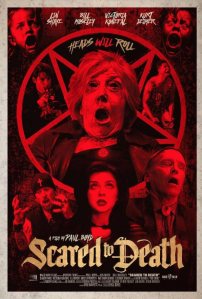
Jasper is a young, opportunistic filmmaker yearning to climb the Hollywood ladder. Working as a lowly production assistant, he seizes his chance to be a ‘real’ director when he suggests to his cantankerous boss that the crew and actors from their upcoming horror film attend an actual séance in an old haunted house for research. They chose an abandoned children’s shelter closed for 70 years since the mysterious murders of five children in 1942, apparently discovered scared to death. Once the séance begins, the motley crew find themselves trapped and haunted by the children … and something possibly worse.
Scared to Death is SO much fun! When I saw Lin Shaye and Bill Moseley in the cast list, I immediately moved Scared to Death to the top of my FrightFest Glasgow watchlist.
This film is everything I wanted it to be. It was fun, silly and gory and I loved it. I was so pleased that Auntie Lin and Bill’s roles were far bigger than I expected. I feared they would be token cameos, but they both have really meaty roles and are fantastic, as always. The rest of the cast are great too – I enjoyed the character of The Grog, who I’m sure was inspired by Kane Hodder. It felt like a lovely little hat tip. The story was pretty predictable, but I feel like that’s the beauty of a fun horror like this. You’re know exactly what you’re getting and sometimes that’s just what you need. Blood, horror icons, some snacks and (ideally!) cats and a good time.
I can’t wait to see Scared to Death again and I’m sure it’ll be on Shudder or Prime soon 🤞🏻
UK, 1 hour 20 minutes, Directed by Jack Lawrence McHenry
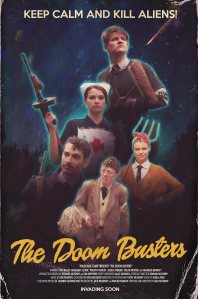
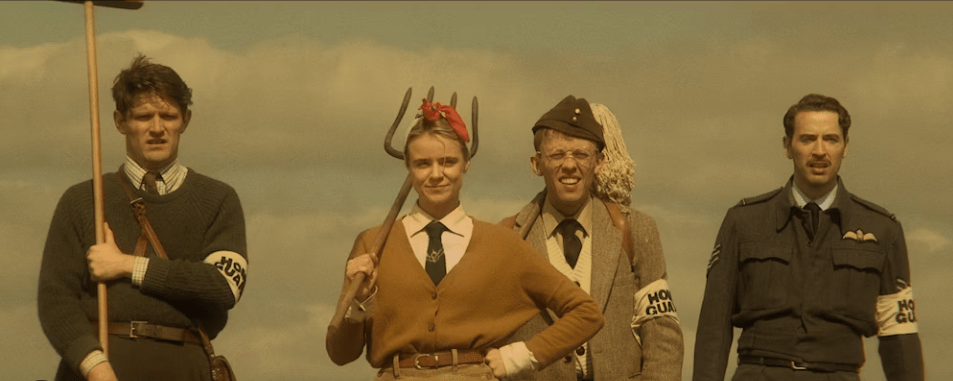
It’s 1940 and war rages across Europe. Britain prepares for the coming invasion. But the war is a dull affair for Arthur Roundtree, a young man serving in the Home Guard. He dreams of action and adventure, but he remains stuck in a small, sleepy English village miles away from war due to a medical condition. However, when an extra-terrestrial creature crashes on the outskirts of the village, a training exercise suddenly turns into a deadly game of cat and mouse. Soon, Arthur and his companions realise they are fighting for their lives and to save the entire Galaxy!
Keep calm and kill aliens! England, 1940. The Home Guard are protecting the country and Nazis aren’t the only threat we need saving from. The Doom Busters is a super fun sci-fi comedy – think Dad’s Army meets Attack the Block.
I REALLY enjoyed this movie – the cast are brilliant, the script is funny and I found myself really rooting for the likeable characters. The costuming feels authentic and the beautiful countryside feels untouched by time. It’s nice to see how well a period piece can be done, with a really modest budget and a small cast and crew.
While Frightfest is most known for horror movies, it is a genre festival and showcases lots of great movies that don’t strictly fall into the horror genre. Saying that, The Doom Busters still features plenty of blood, on-screen deaths and monsters – human and otherwise!
I had great fun with this movie and would absolutely watch it again. I’ll pick up a physical copy, for sure!
UK, 1 hour 18 minutes, Directed by David Luke Rees
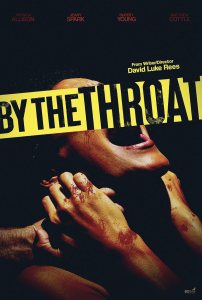
Trying to get over a profoundly distressing attack that ended in fatality, Lizzy Roberts agrees to act as a carer-cum-housekeeper for Amy and Alex Cummings at their remote country home. But with Alex on a business trip and Amy still clearly traumatised by the accidental death of their only child, Lizzy finds her new job not quite as straightforward as she’d hoped. Yet Amy seems to be improving under Lizzy’s watchful eye, and normality seems to be returning to the Cummings household until Lizzy starts having nightmares and hallucinations and finds evil outside forces are twisting that normality.
By the Throat is a slow burn psychological horror, with a lovely addition of another sub-genre (that I won’t mention, it case it’s too spoilery!). The tension throughout is agonising and the depiction of anxiety and altered states through some fantastic sound design, made me really uncomfortable. As someone who has had anxiety most of my life, I’m really never sure why I continue to watch tension-fuelled movies like By the Throat. And even more so, why I enjoy them so much!
Director David Luke Rees says “By the Throat was born out of a desire to examine grief through the lens of horror—not in grand, sweeping gestures, but in the intimate, quiet spaces where it festers. This is not a film about ghosts in the traditional sense. Instead, it is about the way loss lingers, how it embeds itself in the walls, the air, the fabric of our existence.” You can absolutely feel this throughout the film – the characters are haunted by different circumstances and you can see this in everything they do.
Patricia Allison, who I loved as Ola in Sex Education, was a brilliant lead. I really empathised with Lizzy and was genuinely rooting for her throughout the film. Jenny Spark and Rupert Young played couple Amy and Alex really well too, leaning into the unpredictable nature of their characters.
I will be honest – I would have enjoyed a bit more of an explosive ending, for my own catharsis, after being hunched in a tense little ball for an hour. But I did really like the film overall and would absolutely give it a second watch. A gem of a British thriller.
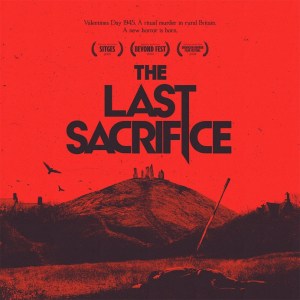
Did you know the real-life 1945 witchcraft killing of Charles Walton was the terrifying event that inspired the classic shocker The Wicker Man? From filmmaker Rupert Russell comes an incredible documentary looking into the dark heart of Britain and finding a country in a deep and frightening identity crisis – with an almost national descent into madness reflected in the strand of cinema it produces. A brave, new exploration of how events within society can become mirrors of the times they occur in, this unsettling true-crime interrogation probes into the eerie, enigmatic cultural undercurrents that shaped the 1970s folk horror genre.
How are the Teletubbies and The Wicker Man linked? That’s a question I never thought I’d ask and definitely never thought I’d get an answer to! But brilliant new documentary, The Last Sacrifice, gave me a new favourite fun fact.
I love documentaries, especially when they talk about iconic horror movies. Throw in some occult mystery, true crime and incredible visuals and I’m absolutely sold. Director Rupert Russell has created a fascinating and gripping film about a part of British history and film history, that I had no idea about. We are such a strange little island, with (often) bizarre customs and I definitely want to learn more about the history of the occult in Britain.
I really appreciate how this documentary isn’t just static interviews. The opening vintage TV spot is both delightful and creepy. A mix of real, historical footage and film clips support the interviews and narration and the use of black and red, throughout, is just beautiful. The interviews are really interesting and are impressively lit and staged. It is exquisitely edited and features a fantastic original score from Mike Lindsay of the British folktronica band Tunng. This documentary is just so STYLISH. Can you tell I loved it?
I can’t recommend this documentary more. If you love The Wicker Man, true crime, folk horror, or are just interested in weird British history, I think you’ll really enjoy this film. I don’t have any information on a release date, as this was the UK premiere, but I’ll be definitely keeping my eyes peeled as I’m hoping for a physical release. I’ll keep you posted!
Director Rupert Russell and Clout PR have kindly shared this exclusive interview where Rupert reflects on the making of The Last Sacrifice. Thank you, Greg and Rupert!
Your film is having its UK premiere at this year’s FrightFest Glasgow event. Excited or what?
Indeed, suitably close to Summerisle, the fictional island in The Wicker Man.
What initially drew you to the project?
Embarrassingly, I had only watched The Wicker Man for the first time in 2022. I did not see it as a horror film. To me, it was a documentary of what living in Britain was like over the past several years. The madness of Summerisle was indistinguishable from the madness of the British Isles. That climatic scene on the mountaintop, where Srgt. Howie pleads for his life, begging them to see that ‘killing me won’t save your apples’, only to be met by the collective shrug his Lordship gives, ‘I know it will’, for me has been an almost daily experience.
I was telling a close friend all this when he stopped me and said, ‘well, you know there was a real murder this was all based on?’
It’s centered around the unsolved murder of Charles Walton in 1945, giving the documentary the feel of a true-crime investigation.
What is the background to the case?
Charles Walton was a 74-year-old farm labourer who, on Valentine Day, 1945, was discovered in a field in the Cotswolds with a pitchfork in his face and a bellhook buried in his throat. The scene was so grizzly that the Warwickshire police called Scotland Yard requesting help, and they sent none other than Britain’s most famous detective: Robert Fabian of the Yard. When he arrived, he described the murder as a ‘slaughterhouse horror’. But despite his own investigation, and years and years of further attempts by the local police, no one was ever charged with the crime.
What fascinated you about the case?
The fascination for me wasn’t who did it, but who do we believe did it, and why? Mysteries are mirrors, they are reflections of ourselves. In the case of an unsolved murder, we project our paranoid fears and fantasies onto the face of the imagined killer. The theories that griped Britain were, therefore, really theories about the British themselves. And the theories that emerged contained many novel features we hadn’t seen before in fact or fiction. In particular, the theory that the source of danger was not the perennial outsider – the Nosferatu figure invading the city walls – but rather the otherwise ‘normal’ insider. The enemy within.
The rural setting and superstitious fears surrounding Walton’s death mirror the isolation and community rituals in films like The Wicker Man. How did these parallels shape your storytelling?
The parallels between fact and fiction was what excited me creatively about the film. I began the project by watching documentaries made of real witches in the 1960s, filled with a Mondo-esque mixture of exploitation and theatrics. On talking to real witches, some of whom appeared in the films, I discovered that despite the ‘hype’ they were in fact accurate portrayals of what was happening at the time. And, on the face of it, more outrageous and shocking than the Hammer and Tigon witchcraft films at the time. This spoke to the heat of the story, how fact and fantasy had become intertwined and often indistinguishable.
Furthermore, the conspiracies around the Walton murder informed the tropes of the folk horror films that were made at the time, and we now just take them for granted as the staple beats of the genre. But these did not come from the imaginations of screenwriters, but rather policeman and sleuth academics trying to make sense of a bizarre ‘ritual’ murder in rural Britain.
The role of the tabloid media seemed to play a big part in fueling the public’s fascination with ritual sacrifice and the occult in post-war Britain. Do you think this impeded the murder investigation?
No. There was a delayed reaction, mostly spurned on by the chief inspector of the case, Robert Fabian of the Yard, whose memories, after he retired, brought the occult aspects to the public’s attention. In his 1945 police report, Fabian is quite explicit that the hinderance to the investigation were the local villagers themselves. He complained about their ‘secretive’ nature and refusal to fully cooperate with the police investigation. Fabian was convened that in a town of less than 500 people, the killer’s identity would have been widely known. Nobody seemed to care that there might be a demented killer terrorising the vulnerable. Unless, of course, they knew who the murderer was – and why the murder was committed.
What do you think is the enduring legacy of the Charles Walton murder, both in real-life folklore and its continuing influence on the horror film genre?
The folk horror movies of the late ‘60s and early ‘70s are the result of a collision of cultural forces. They’re an incoherent mishmash of all sorts of weird and wonderful things that were happening in Britain at the time. Authors, screenwriters and director joined the dots between the Walton murder, the rise of Wicca, the counterculture, the hippie movement, women’s liberation, the sexual revolution, class war and so much more. They all kind of swirled together in a technicolor vortex around the figure of the witch. This figure became a kind of organising metaphor for all that was being torn up and a warning of the new world that might be around the corner.
How would you compare the British folk horror films of the ‘60s and early ‘70s to the American ones that came later?
The British films all feature a member of the new professional class – a teacher, doctor, or policeman – who goes to a strange English village. They’re the victim of a conspiracy between the peasantry and an aristocrat who commands their loyalty through pagan gods or voodoo magic. They are paranoid tales of a reactionary counter-revolution, where Atlee’s new social democracy will be rolled back to a feudal time.
In contrast, the American films are about going somewhere foreign and are led by naive tourists, such as An American Werewolf in London or Midsommar. They encounter not a class conflict, but a cult: an ideology taken to a dangerous extreme. When you consider that the Americas are the place we dumped our own religious nutters in the 17th and 18th centuries, their fears may well be quite rational.
What is your favourite folk horror movie?
I was ignorant of the genre when I started making the film and it was a true joy to take a compressed crash course. My favourites would be Panda’s Fen, The Plague of the Zombies, Twins of Evil, and Demons of the Mind.
Finally, what’s next for you?
I have two fiction horror films that are in development, and another film archive doc.
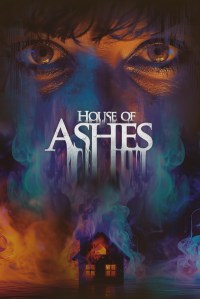
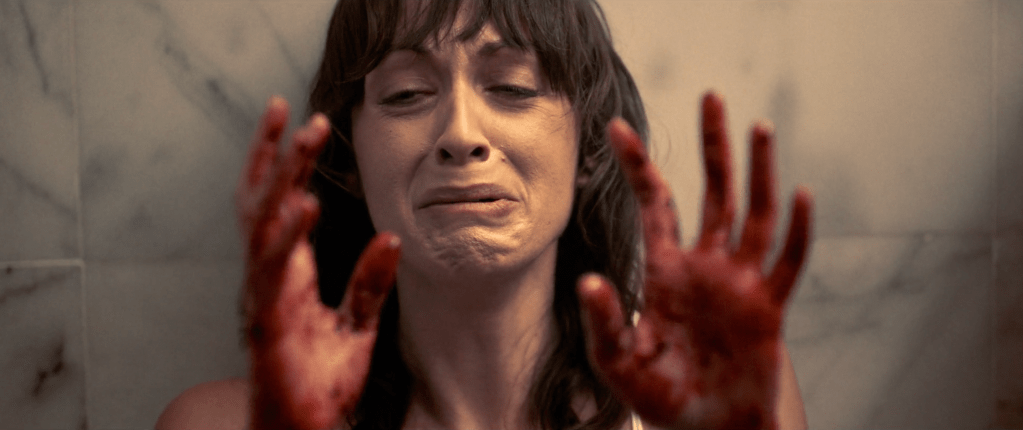
Imagine being jailed for an everyday occurrence beyond your control, something your body decides for you. In the USA, ‘Land of the Free, ’ this could happen to you if you have a uterus, depending on where you live. The terrifying rise of the treatment of women is the socio-political backdrop for this cautionary tale, where Mia is under house arrest but must also contend with the suspicious death of her husband. There, Mia experiences strange phenomena that could be man-made or supernatural. Or both? One thing is clear: Mia is in danger and cannot leave her home.
House of Ashes is a scary look at what life is like for many people. The real world is far scarier than anything that could be committed to screen and that’s where the true horror lies in this debut feature from director Izzy Lee.
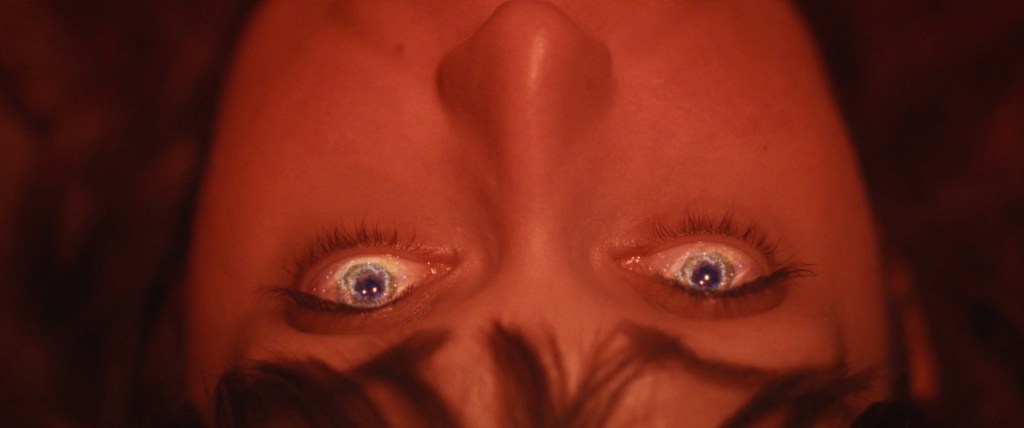
I was immediately excited about this film, from the gorgeous poster alone. House of Ashes is as lovely as I’d hoped. It has beautiful colour grading, with the same purples and golds as the poster. The cinematography is just stunning, in particular a shot of eyes reflecting fire. It’s so beautiful. The score carries the underlying tension, even through more mundane scenes. Leads Fayna Sanchez and Vincent Stalba give great performances and I was so excited at the cameos from Joe Lynch and Mick Garris.
House of Ashes is a film I definitely want to see again and I really wish I’d been able to see it on the big screen, to appreciate all of the details in such a visually stunning film.
USA, 1 hour 11 minutes , Directed by Stephon Stewart
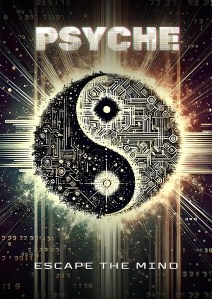
Trapped in limbo during a near-death experience, Mara and a vintage 1980s computer she finds buried in the sands of time ally to figure out the meaning of life from discarded memories of friends, family and fantasy. Together, they navigate through a dystopian world of surreal, broken realities, deciphering cryptic clues and puzzles before them, causing Mara to embark on a profound quest of self-discovery and mind-bending redemption. Confronting her deepest fears by facing all the traumas in her life, her journey becomes a poignant exploration of isolation, psychological tension, survival and human vulnerability.
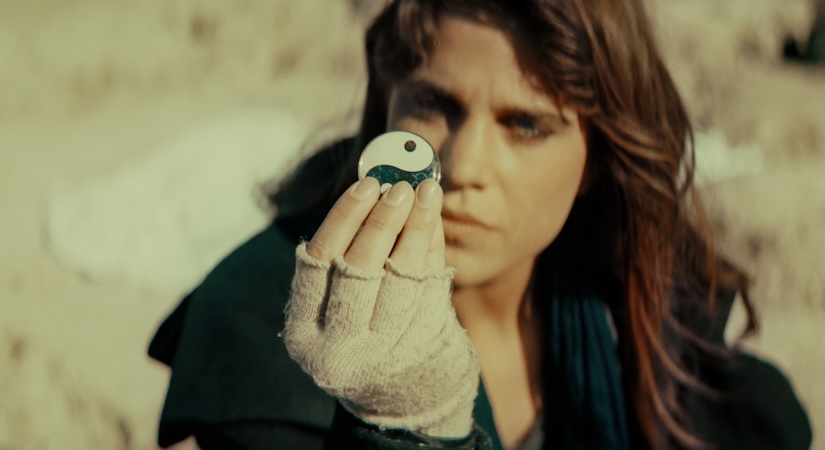
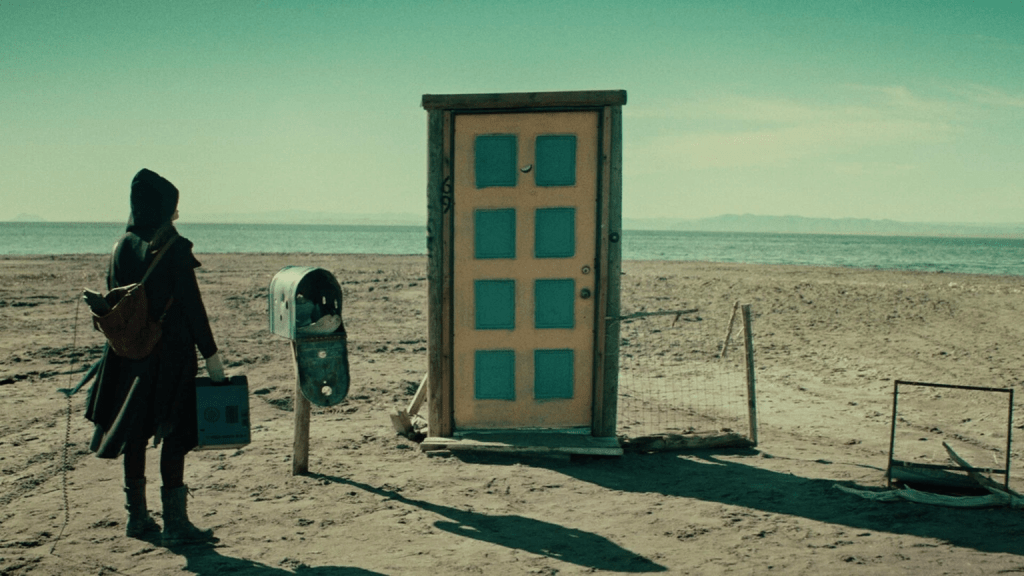
Psyche is a gorgeous science-fiction epic. In all honesty, sci-fi isn’t my vibe, but the truly stunning cinematography and design kept my attention. The colour grading is beautiful and the score is incredible.
Lead Sarah Ritter is very good, with a compelling performance. She’s also very beautiful, which is a stark contrast to the bleak environment.
If you love sci-fi, definitely keep an eye out for release details for this beautiful film.
In typical me fashion, I’m excited by something new and have entirely cast everything else I should be doing aside. Scrolling Instagram this morning, I saw that ZooTime Productions have made their short “One Night Only” available on Vimeo.
For a whole bunch of reasons, I hadn’t actually shared my review of the short anywhere. But now is the time as I loved it and, as small as my platform is, I always want to champion indie film-makers. Especially as ZooTime Productions’ mission statement is “ZooTime is Wales on film. Welsh people and Welsh stories. We’re part of the foundation of Wales’ growing horror-based national cinema movement. Our goal is to celebrate and showcase these stories. To contribute to Sinema Cymru, and take these stories to worldwide audiences.” I’m nothing, if not an excited little gremlin who will shout from the rooftops about anything Welsh. I’m very proud of being Welsh and the history of the arts in Wales, so filmmaker Josh Harris is my people!
Anyway, enough of my rambles – here is the short! Do yourself a favour and cast it to your tv, if you can. It’s beautiful and deserves the biggest screen you can manage!
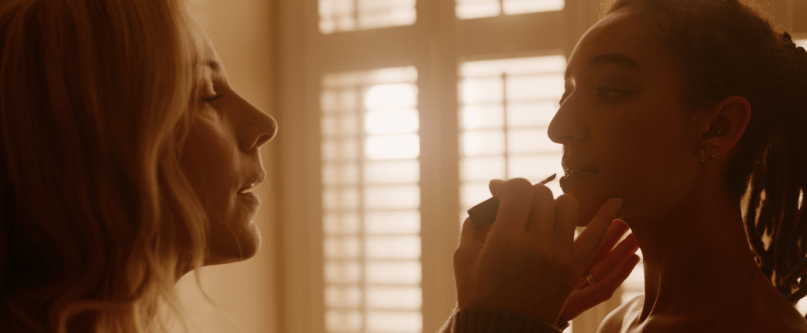
One Night Only is a brilliant short, achieving something that I find rare with shorts – really wanting more. I enjoy how stories can be told in a few minutes, creating a little world to be in for a short time. But writer and director, Josh Harris, has done such a good job with One Night Only that I wanted to spend more time with Bex and Rhian and really dig into their relationship. And that’s not a criticism – the film still feels perfectly contained.
It looks beautiful, with lovely cinematography and editing. It’s moody, dark and atmospheric and I loved it. The cast are fantastic, especially Welsh fave Steve Spiers, who I am always delighted to see.
I really can’t wait to see what Josh directs next, as I think what he can create in feature length will be incredible.
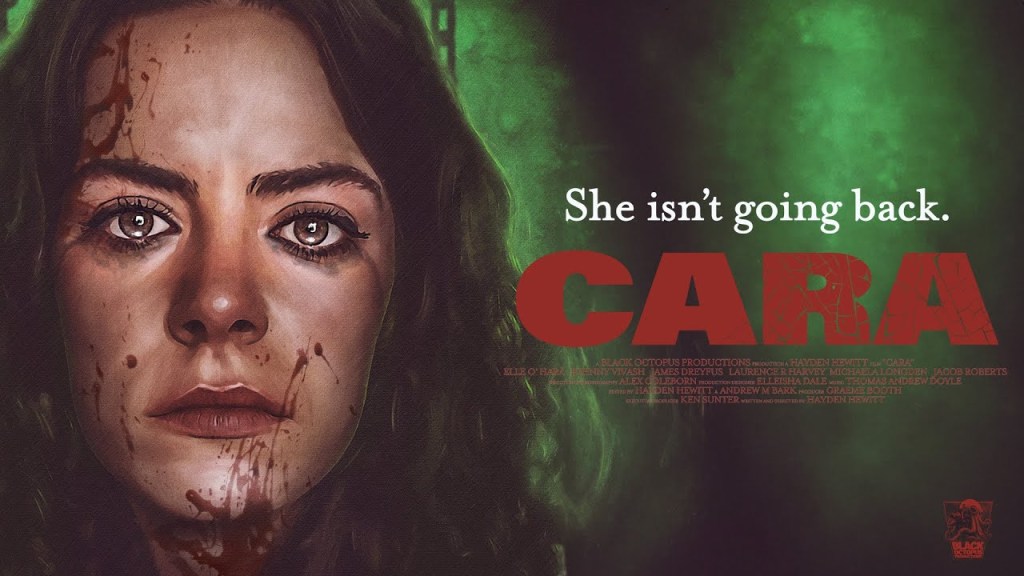
Cara is bleak, dark and fucked up. Written and directed by Hayden Hewitt, this psychological horror is available on digital download today, 17th February.
Cara’s world is spiralling out of control. Haunted by her traumatic past, she lives with a mentally unstable roommate and struggles with a failed career as an online sex worker. Her father is unable to communicate, while her well-meaning mother offers little support. But above all, Cara is consumed by a terrifying belief that there’s a conspiracy to send her back to the psychiatric hospital where she suffered horrific abuse.
Cara is brilliantly played by Elle O’Hara an unreliable narrator that I can’t decide if I’m terrified of, or rooting for. Perhaps both. The cast are great, with fantastic performances from indie horror faves Lawrence Harvey, Michaela Longden and Johnny Vivash.
I had the chance to have a quick chat with Hayden and talk about his inspiration, his process and how he relaxes after delving into such a dark and bleak world – it’s a spoiler free chat!
Cara premiered at FrightFest last year, to brilliant reviews – catch it yourself on Amazon Prime and Apple TV see why “she isn’t going back”. Huge thanks to Aim Publicity for the review and interview opportunity.
 Sam Munster | Horror Hyperfixations